


Social-emotional Learning 耶鲁大学“RULER社会情感学习实践”在学前教育领域的应用
作者:冠萃教育
浏览:
发表时间:2022-09-29 10:20:43
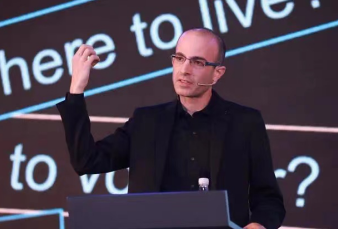
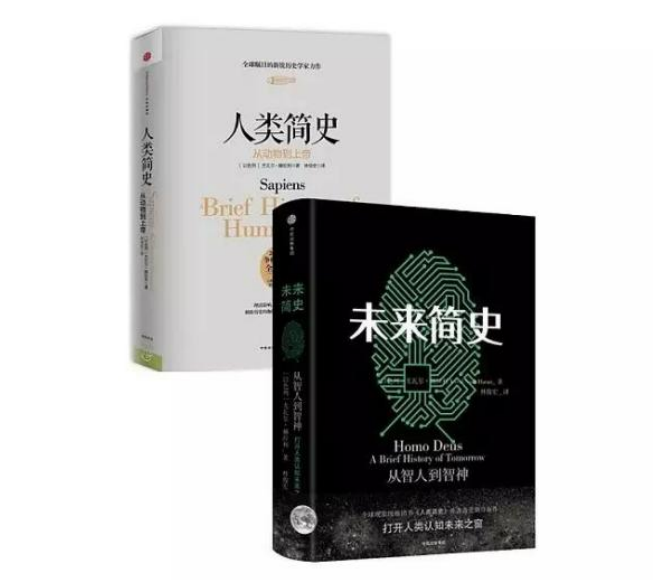
轰动全球的“简史三部曲”(《人类简史》、《未来简史》、《今日简史》)让我们认识了以色列新锐历史学家、牛津大学历史学博士尤瓦尔.赫拉利。他在全球人工智能高峰论坛上曾表示:
人类与人工智能真正的区别在于“意识”,解决问题需要依赖智能,但感知事物靠的却是意识。在人工智能时代,人类的生存价值或将在很大程度上取决于我们的社会情感能力。
Swipe For English→
Dr. Yuval Noah Harari , who is a new Israeli historian and a doctor of history at Oxford University, is famous for his Brief History Trilogy", Sapiens: A Brief History of Humankind, Homo Deus: A Brief History Of Tomorrow, and 21 Lessons for the 21st Century. He said at Global Summit on Artificial Intelligence:
The real difference between humans and artificial intelligence lies in the "consciousness", Solving problems relying on artificial intelligence, But perceiving things depends on consciousness. In the era of artificial intelligence, The value of human survival may depend largely on their social-emotional abilities.
←Swipe For Chinese
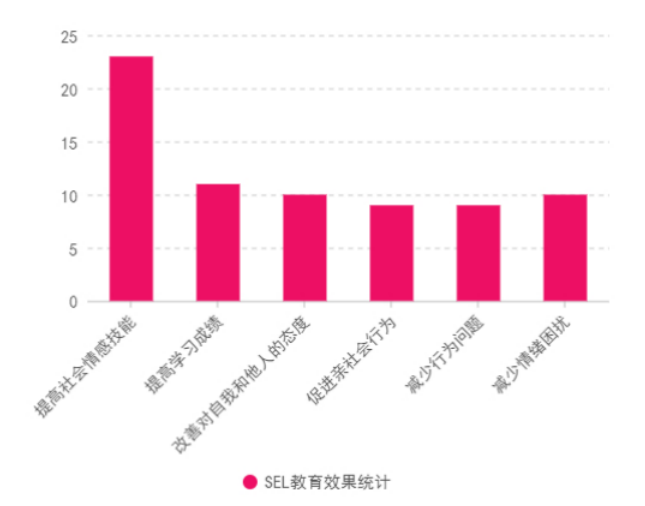
既然社会情感能力如此重要,那么作为教育者,我们应该如何提升儿童、青少年的社会情感能力呢?Social and Emotional Learning(社会情感能力学习)简称SEL,它是指儿童和成年人对理解和管理情绪、设定并实现积极目标、对他人感同身受并表现出同理心、建立和维持积极关系、并做出负责任的决定的学习过程。(CASEL,美国学术、社会和情感学习协作组织)。早在20世纪末,SEL就在英美等发达***作为和数学、语文一样的基础学科,于幼儿园到高中(K12)阶段进行了普及,其学习效果也引发了巨大的社会反响。研究数据表明,SEL可以帮助儿童增强学习兴趣与自信、提升学业成绩、掌握良好的情绪和行为管理能力,以及提升人际交往和团队协作能力。有学者对213项SEL研究进行回顾,覆盖了27万名从幼儿园到高中的学生,统计结果显示,SEL可以让学生更容易地在学校和社会获得成功。
Swipe For English→
Since the social and emotional ability is so important, then as educators, how should we improve the social and emotional ability of children and adolescents? Social and Emotional Learning (SEL), is the learning process that children and adults can understand and manage their emotions, set and achieve positive goals, empathize with others, establish and maintain positive relationships, and make responsible decisions (CASEL, American Academic, Social, and Emotional Learning Organization). SEL has become popularized in developed countries such as Britain and American since the end of the 20th century. It was widely used by different levels school from kindergarten to high school (K12), and its learning effect also caused huge social response. The study data show that SEL can help children enhance their learning interest and confidence, improve their academic performance, master positive emotional management skills, and improve their interpersonal and teamwork skills. Some researches have reviewed 213 SEL studies, covering 270,000 students from kindergarten to high school, and statistics show that SEL makes it easier for students to succeed in school and society.
←Swipe For Chinese
在中国,逐年升高的儿童、青少年心理问题发生率也让以关注学生自我觉察与管理、人际社会觉察与管理的SEL教育实践成为了教育界关注的焦点,而美国耶鲁大学的情感智能中心,2005年所推进的“RULER”社会情感学习实践方法更是得到了世界范围内许多***的认可。
“RULER”由Recognizing(识别)、Understanding(理解)、Labeling(标记)、Expressing(表达)以及Regulating(调节)五个关键词组成。它是一种基于循证的工具,将社交和情绪学习融入学校教育中。“RULER”所定义的情感能力是建立在20世纪90年代萨洛维(Peter Salovey)和梅耶(Mayer)等提出的“情绪智力”(Emotional Intelligence)概念基础上的,即觉察情感的能力、使用情感辅助思考的能力、理解情感的能力以及管理情感的能力。
Swipe For English→
In China, the increasing incidence of children and teenagers psychological problems has mentioned the public to pay attention to students' self-awareness and management, and SEL education practice has become the focus of educators. Yale Center for Emotional Intelligence in 2005 to promote the "RULER" social emotional learning practice method has been recognized by many countries around the world.
"RULER" consists of five keywords: Recognizing, Understanding, Labeling, Expressing, and Regulating. The emotional abilities defined by RULER is based on the concept of "emotional intelligence" proposed by Peter Salovey and Mayer in the 1990s, that is, the ability to perceive emotion, to use emotion to assist thinking, to understand emotions, and to manage emotions.
←Swipe For Chinese
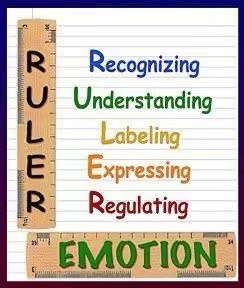
那么在日常生活或教学中,我们应该如何基于这一研究,借鉴“RULER”的方法来进行儿童的SEL教育呢?下面介绍几个在国外园所常用教学的方法,希望可以抛砖引玉,来帮助受到启发。
1.识别:觉察自己和他人的情感
情绪作为一种与生俱来的能量,它会出现在一日生活中的任何时间段,只能被缓解、转移,但不会消失,成人如此,儿童更是。每一种情绪背后都会导致不一样的行为和结果,让儿童学会识别自己和他人的各种情绪情感,是社会情感学习的***步。每个人在不同的情绪状态下,脸部表情、身体动作、甚至说话的语音语调等都会产生一些可以被识别的外显特征,帮助儿童觉察自己和他人的情绪情感,可以从识别这些特征开始。
Swipe For English→
However, how to learn from the "RULER" method for the SEL education of children based on this research? The following will introduce a few commonly used teaching methods in some foreign and national kindergartens.
1. Recognizing:identify your own and others emotions
As an innate energy, emotions will appear in any time. It can only be relieved, transferred, but will not disappear. Each emotion will lead to different behaviors and results. Helping children to learn to identify themselves and others' emotions is the first step in SEL. In different emotional states, our facial expressions, body movements, and even the pronunciation and intonation of speech will produce some explicit characteristics that can be recognized. Therefore,to help children perceive their own emotions and others, we can start from identifying these characteristics.
←Swipe For Chinese
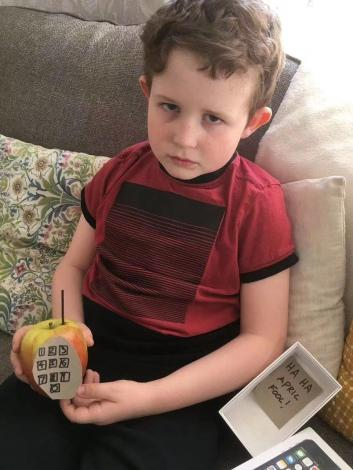
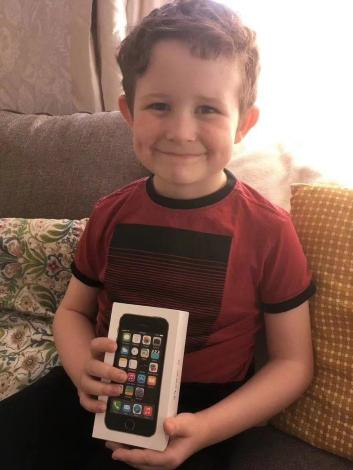
△ 此“苹果”非彼“苹果”。
This "Apple" is not "Iphone" .
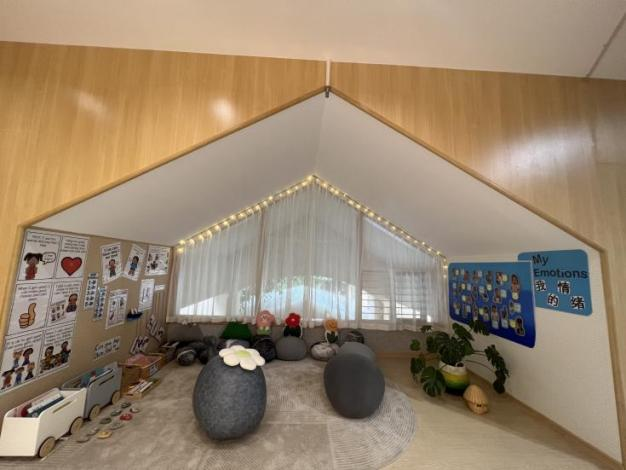
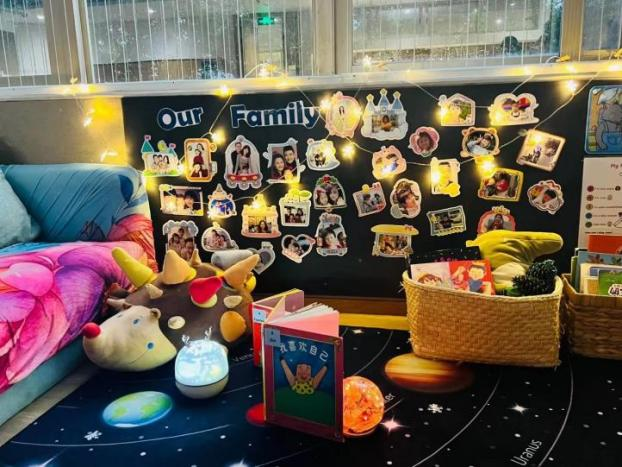
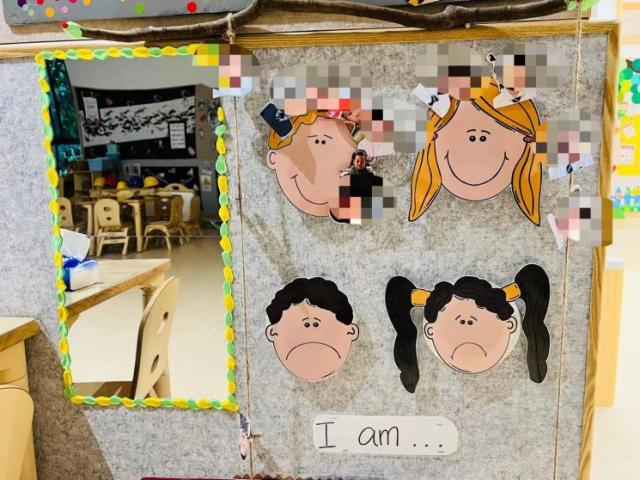
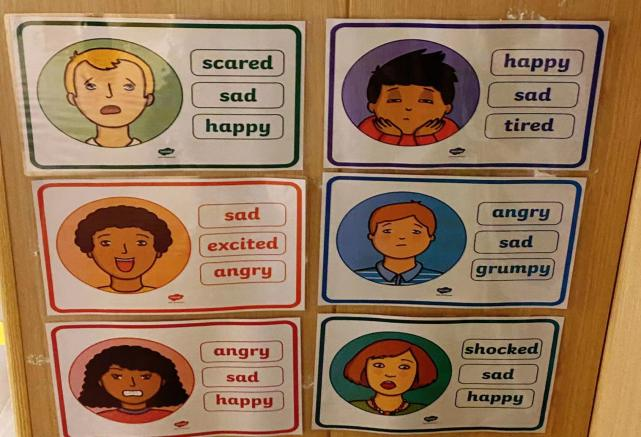
教师可以在班级里创设一个温馨舒适的情绪角,通过镜子、可视化的图片、照片等环境创设,帮助孩子识别各种类型情绪情感。
Swipe For English→
Adults can create a warm and comfortable emotional corner in the class or their family. Through mirrors, visual pictures, photos and other environment creation, children can identify various types of emotions.
←Swipe For Chinese
2. 理解:理解情感产生的原因和结果
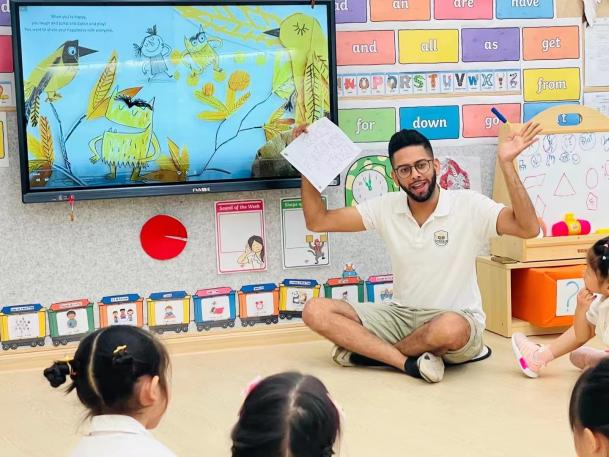
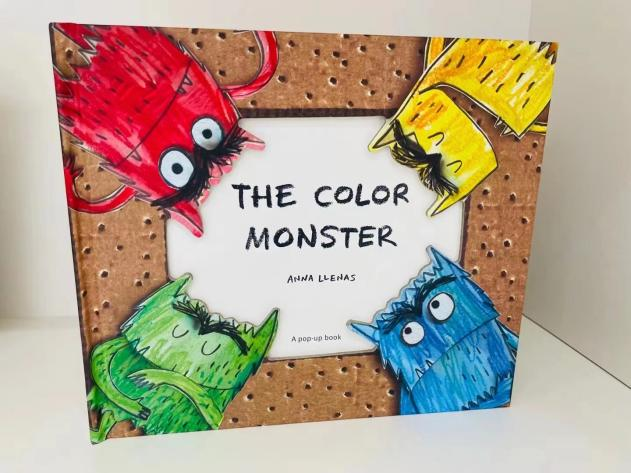
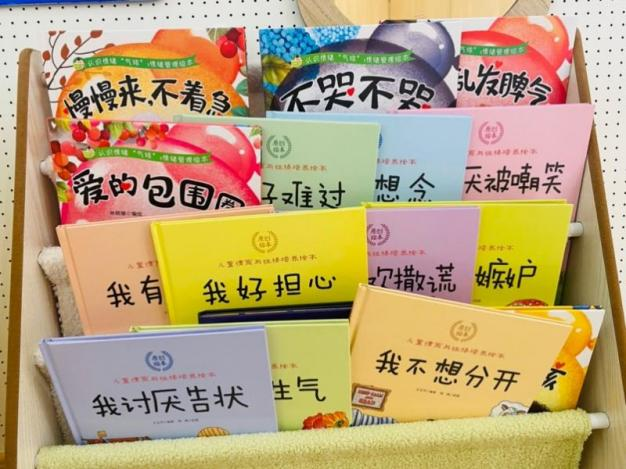
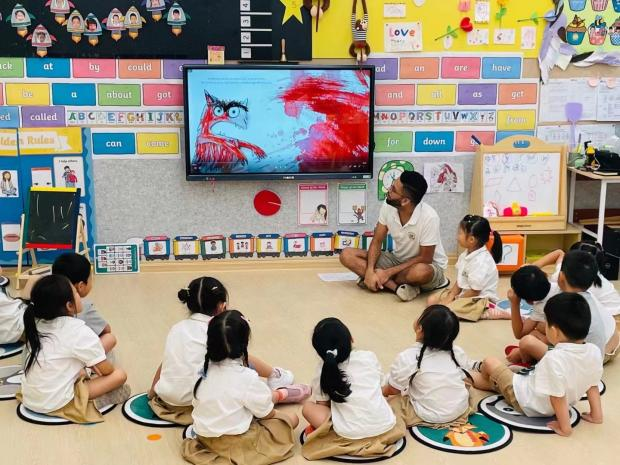
理解情感的过程,其实就是同理的过程。儿童需要通过具象的、与其旧经验相关联的中介来理解自己和他人的不同情绪情感,以及它们导致的结果,因此绘本讲述、戏剧表演等方法,是***的助力“工具”。
孩子们可以在欣赏绘本故事以及角色扮演的过程中亲身感受和认识到不同的情绪是如何产生的,然后又可以如何被解决掉。与此同时,成人在帮助儿童理解情绪时也应该注意,当儿童开始感知到某些情绪时,我们不应该只教育他们立刻去学习压制或化解情绪,也要合理的引导和鼓励儿童去体验和接纳他们所产生的各种类型的情绪。因为这样才可以更好地帮助儿童理解这些情绪对他们自身想法或行为所带来的影响。体验生气和悲伤对儿童来说并不仅仅是一件糟糕的事情,这实际上帮助儿童对各种类型的情绪产生较为完整的理解认知的方式。
那么关于社交情感和情绪管理类型的绘本书籍,各位感兴趣的老师和家长们,可以阅读我们这一篇文章——《萃宝爱阅读丨帮孩子学会情绪管理,这些绘本不能错过!》
Swipe For English→
2. Understanding:understand the causes and results of emtions
When it comes to understanding, children can understand their emotions and the results they case through some concrete and relevant intermediaries related to their real experiences. Therefore, picture books, pretend play activities and some other relevant methods are the best helpful "tools" to help.
Children can personally feel and recognize how different emotions are generated, and then how they are solved, while appreciating picture book stories and role-playing them. At the same time, when children begin to perceive certain emotions, teachers an parents should not only teach them to suppress or dissolve their emotions immediately, but also reasonably guide and encourage their children to experience and accept the various types of emotions they produce. This can better help children understand the impact of these emotions on their own thoughts or behaviors. Experiencing anger and sadness is not just a bad thing for children, which actually helps children to develop a more complete way of understanding the various types of emotions.
So if you are interested in the picture books which related to social and personal, social and emotional development, please read this article--Cuibao Loves Reading | Don‘t miss those wonderful picture books which can help children regulate their social and emotional behavior.
←Swipe For Chinese
3. 标记:准确标记情感
我们可能会在日常生活中产生各种各样的情感经历,那到底哪个词汇可以更准确地描述我们现在的感觉或情绪呢?这就是标记情绪的意义。简单来说,标记情绪可以被理解为对情绪的命名。儿童需要学习用精准合适的词语来描述自己的情绪经历,并且能够准确地区分出不同的情绪类别,比如快乐,悲伤和失望等。马克布拉肯特设计了一个情绪测量表(mood meter),他将情绪根据愉悦程度和能量水平的不同分成了红黄蓝绿四种不同的颜色区域。基于此,儿童可以更精妙细致地识别自己的情绪。RULER教学实践法认为,准确地标记情绪可以提高儿童的自我意识,帮助他们有效地交流情绪,并减少社交互动中的误解。心理学家丽莎·费德曼·巴雷特的调查也进一步发现,能够更清晰准确描述自己情绪的人比较不会被压力吓倒,更能从负面经历中找到正面意义。
Swipe For English→
3.Labeling: Accurately named emotion
We may have a variety of emotional experiences in our daily life, but which words can more accurately describe our current feelings or emotions exactly? It is the key point of labeling emotions. In short, labeling emotions can be understood as naming emotions. Children need to learn to describe their emotional experiences accurately and appropriately speaking in words, and to accurately distinguish between different emotional categories, such as happiness, sadness and disappointment. Mark Brackent designed a mood meter, an he divided many emotions into four different colors, red, yellow, blue and green, depending on their pleasure and energy levels. Based on this, children can identify their emotions more subtly and carefully. The RULER teaching practice method believes that accurately marking emotions can improve children's self-awareness, help them to effectively communicate emotions, and reduce misunderstandings in social interactions. Psychologist Lisa Feldman Barrett's survey has further found that people who can more clearly and accurately describe their emotions are not intimidated by stress and can find positive meaning from negative experiences.
←Swipe For Chinese
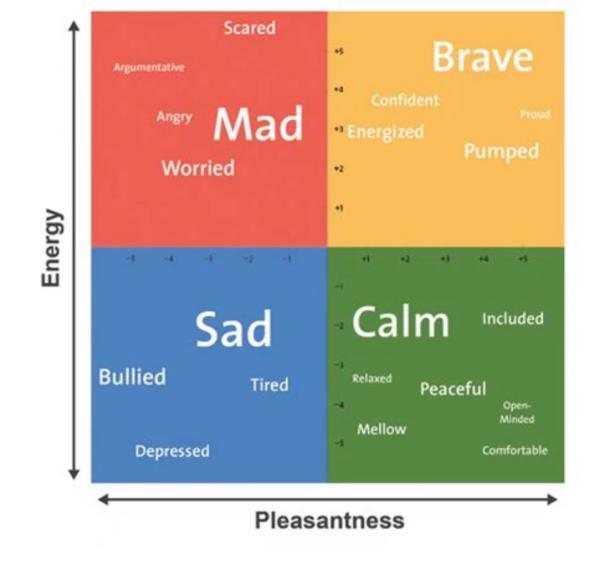
△ 情绪测量表(mood meter)
下面这张图是国外小学生在学习标记情绪时所使用到的情绪词汇表。除了基本的情绪词汇,如开心,生气和伤心等。她们还会深入学习那些表示不同程度的情绪用语。比如blissful(无忧无虑的)和Joyful(愉快的)都有表示开心的意义,但是她们所表达的愉悦程度和所适用的对象并不相同,blissful所表达的激动程度更高。但考虑到如此细致化的词语在幼儿的日常生活中被使用到的频率并不高,因此在幼儿教学中,我们可以结合儿童的真实需求,选择那些更加贴近儿童生活的基础情绪词汇,比如开心,生气,伤心等。
Swipe For English→
The following picture is an emotional vocabulary chart used by foreign primary school students when learning to name their emotions. In addition to the basic emotional words, such as happy, angry and sad. They also learn the emotional expressions of varying degrees. For example, both blissful and Joyful have the meaning of happiness, but they do not express the same pleasure and the applicable object, and the levels of blissful is more excited. However, considering that such meticulous words are not used very frequently in children's daily life, so in early childhood teaching, we can combine the real needs of children to choose those basic emotional words closer to children's life, such as happy, angry, sad and so on.
←Swipe For Chinese
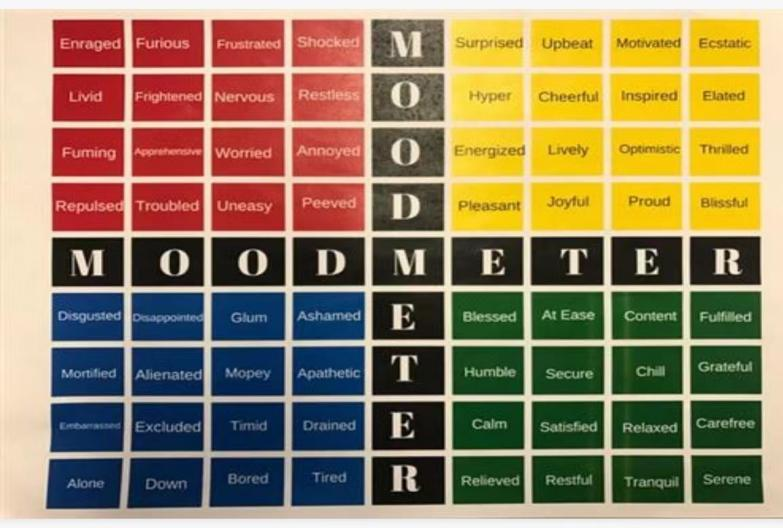
△ 情绪词汇表 Mood Meter
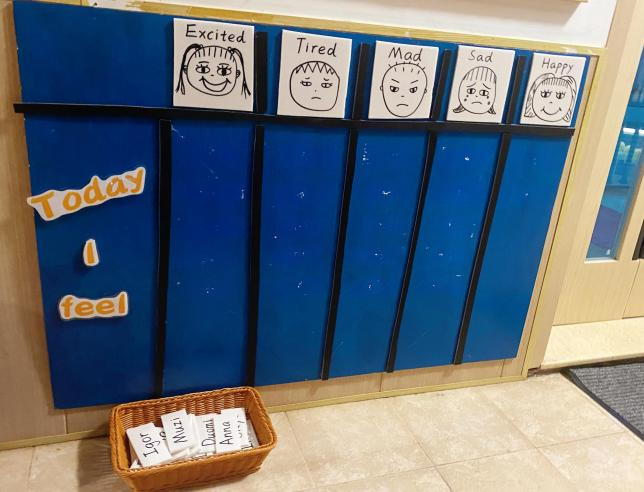
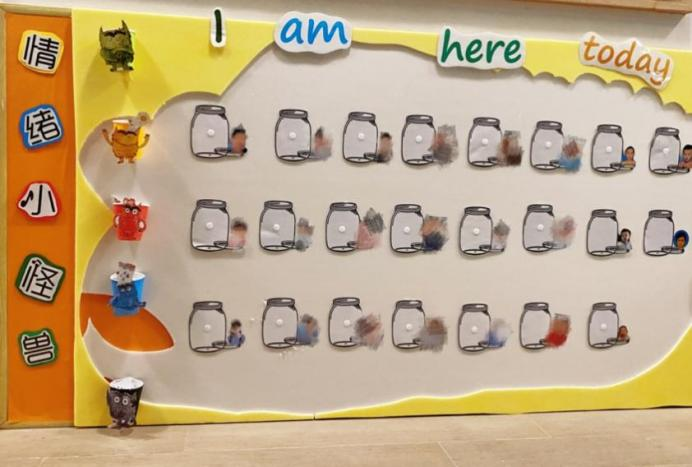
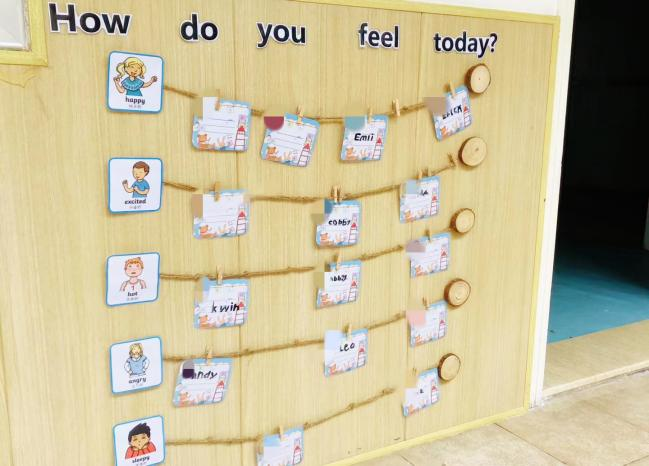
在日常的教学环境中,教师可以邀请孩子们一起编织每日心情墙,比如情绪晴雨表,情绪小怪兽等情绪图表来加深儿童对于各种情绪的理解。对于年龄较低的小班儿童来说,教师可以选择图片的形式制作情绪表。以情绪小怪兽为例,儿童可以根据自己每日的情绪变化来选择不同颜色和类型的小怪兽,比如明亮黄色的微笑小怪兽可以代表快乐,红色噘嘴的小怪兽可以代表生气。这就可以帮助孩子有效地将自己的情感经历和描述情感的词语联系起来,从而熟练掌握情感词并进行区分。那么对于高年龄段的儿童,教师就可以将简易的图片替换为书面性的词语卡片,来邀请孩子进行自主书写或绘制自己的情绪状态。这不仅可以加深孩子对于不同情绪的认知,其前书写技能也可以得到同步提升。
Swipe For English→
In the daily teaching environment, teachers can invite children to create daily mood walls, such as mood barometer, emotional monster and other mood charts to deepen children's understanding of various emotions. For younger children, teachers can choose pictures or illustrations to make mood vocabulary tables. Taking the emotional monster as an example, children can choose different colors and types of little monster according to their daily emotions. For example,a bright yellow smile monster can represent happiness, and a red monster with pout can represent anger. This can help children effectively connect their emotional experiences with the emotional vocabularies, and help them to better distinguish different emotions. For 4-6 years old children, teachers can replace simple pictures with written word cards to invite children to write independently or draw their own emotional state. This can not only deepen the child's cognition of different emotions, but also improve their previous writing skills synchronously.
←Swipe For Chinese
4. 表达:准确地表达自己的情感
表达是一门艺术。很多时候矛盾或误会的产生往往就是因为情绪表达的不恰当而造成的。不同文化背景中的个体表达情绪的方式以及被他人所理解的角度往往存在很多差距。因此,如何恰当地在不同的场合和不同的人群中表达自己的情感状态也是RULER所提出的儿童社会情感能力培训所面临的一大重要挑战。
Swipe For English→
4. Expressing: expressing your emotions accurately
In many cases, conflicts or misunderstandings are often caused by the inappropriate expression of emotions. There are often many gaps or differences for expressing emotions in different cultures. Therefore, how to properly express their emotional state on different occasions and in different populations is also an important challenge for the children's social and emotional ability training proposed by RULER.
←Swipe For Chinese
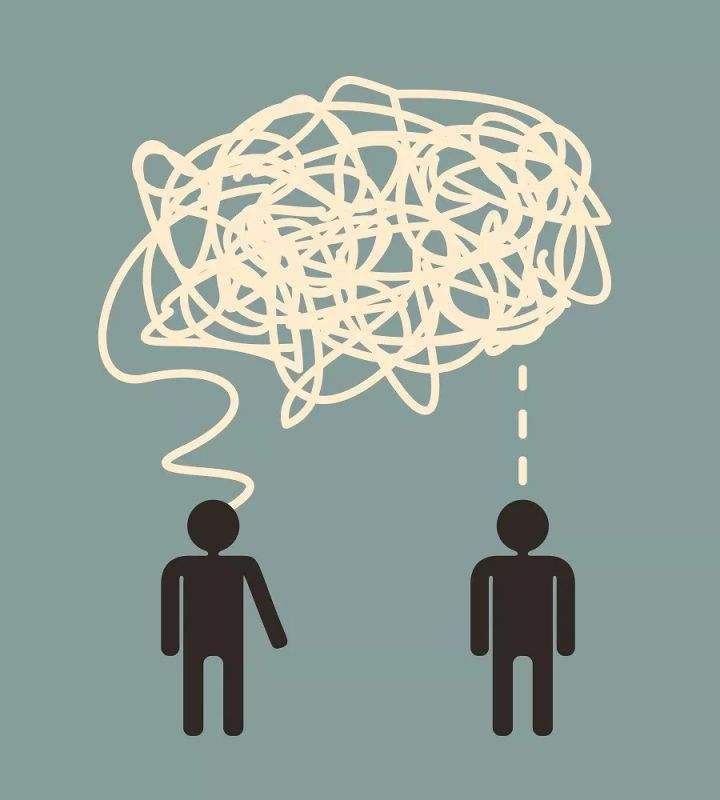
儿童在表达自我情感时,需要他们分析所遇到的对象的动机和行为,并且能够较好地遵循情感表达的社会规则。这不仅可以帮助儿童找到合适的情绪表达方式,也能促进儿童在社会环境中人际关系和自我信心的建立。
所以在日常的教学活动中,当教师观察到儿童的情绪发生变化时,教师可以多向儿童提出一些开放性的问题来引导儿童一步一步将自己的情绪描述和表达出来。比如:你今天感觉怎么样呀?你是发生什么事情了吗?
Swipe For English→
When children express their own emotions, they need to analyze the motives and behaviors of the objects they encounter, and to be able to better follow the social rules of emotional expression. This can not only help children find suitable expression way of emotions, but also promote the establishment of interpersonal relationships and self-confidence in the social environment.
In daily teaching activities, when teachers observe children's emotions change, teachers can ask more open questions to children, such as: how do you feel today? What has happened to you? to guide children to describe and express their feelings step by step.
←Swipe For Chinese
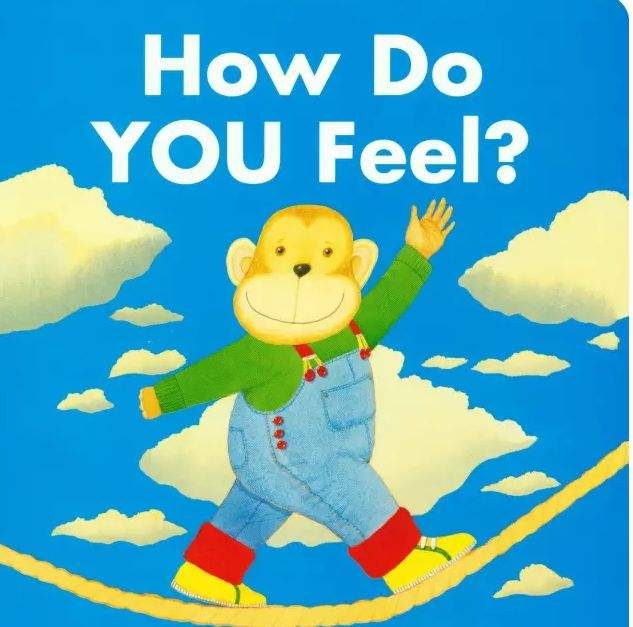
教师在提问题时也应该注意,避免自己主观性判断和导向性问题的使用。诸如,你是不是不开心了?你是不是很伤心?这类预判性的问题可能会对儿童对自身情绪的认知带来误导,并且减少了他们对自我情绪进行思考和组织语言表达的机会。
Swipe For English→
Teachers should also pay attention to avoid some subjective judgment an guiding questions. For example, are you unhappy? Are you so sad? Such predictive problems can mislead children's perception of their emotions, and reduce their chances to think about their emotions and organize their language.
←Swipe For Chinese
5. 调节:***地调节和控制自己的情绪
现在请思考一个问题,你是否会介意在公共场合或在他人面前展示出自己的负面情绪呢?
在中国,类似“小孩要乖,不要多嘴”的俗语较为常见,成人们往往会鼓励孩子们不要随意表现出负面情绪。但是,在RULER的语境下,所有的情绪都是正向有意义的,因此情绪调节并不意味着忽略不良的情绪,而是要学会接受和处理它们。那么在这种情况下,为了避免情绪爆发而产生一些不必要的过激行为或冲突,学习如何有效的调节和控制自己的情绪就变得至关重要。具体而言,情绪调节涉及了解如何以及何时预防,减少,维持和增强情绪的体验和表达效果。
Swipe For English→
5. Regulating:regulating and controlling your emotions
Now think about the question, do you mind showing your negative emotions in public?
In China, sayings like "children should be seen and not heard." are more common, and adults often encourage their children not to arbitrarily show negative emotions. However, in the context of RULER, all emotions are positive and meaningful, so emotional regulation does not mean ignoring bad emotions, but rather needs to learn to accept and handle them. So in this case, in order to avoid the emotional outburst and produce some unnecessary excessive behavior or conflict, learning how to effectively regulate and control their emotions becomes crucial. Specifically, emotion regulation involves understanding how and when to prevent, reduce, maintain and enhance the experience and expression effects of emotions.
←Swipe For Chinese
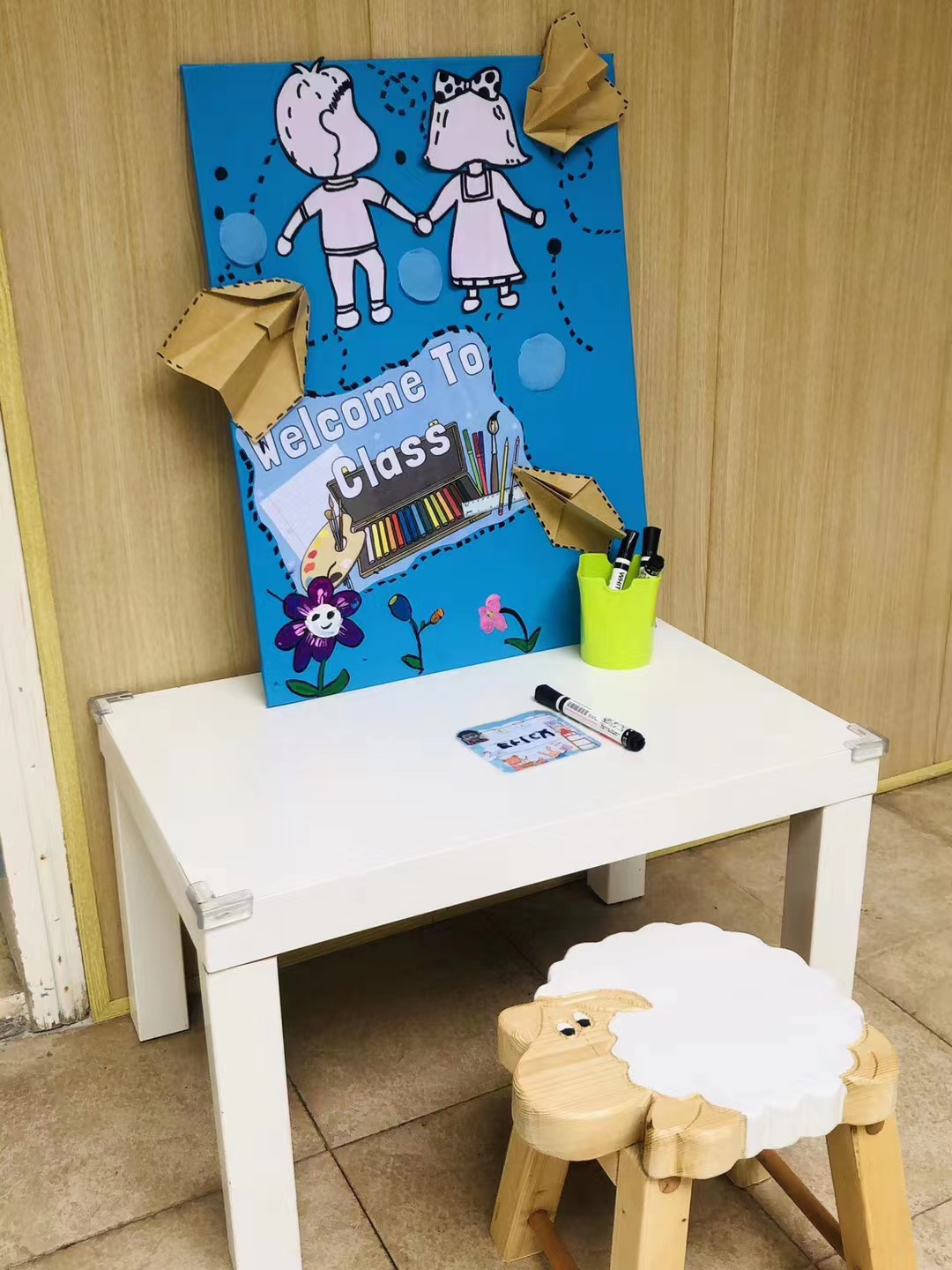
△ 情绪角 Emotional Angles
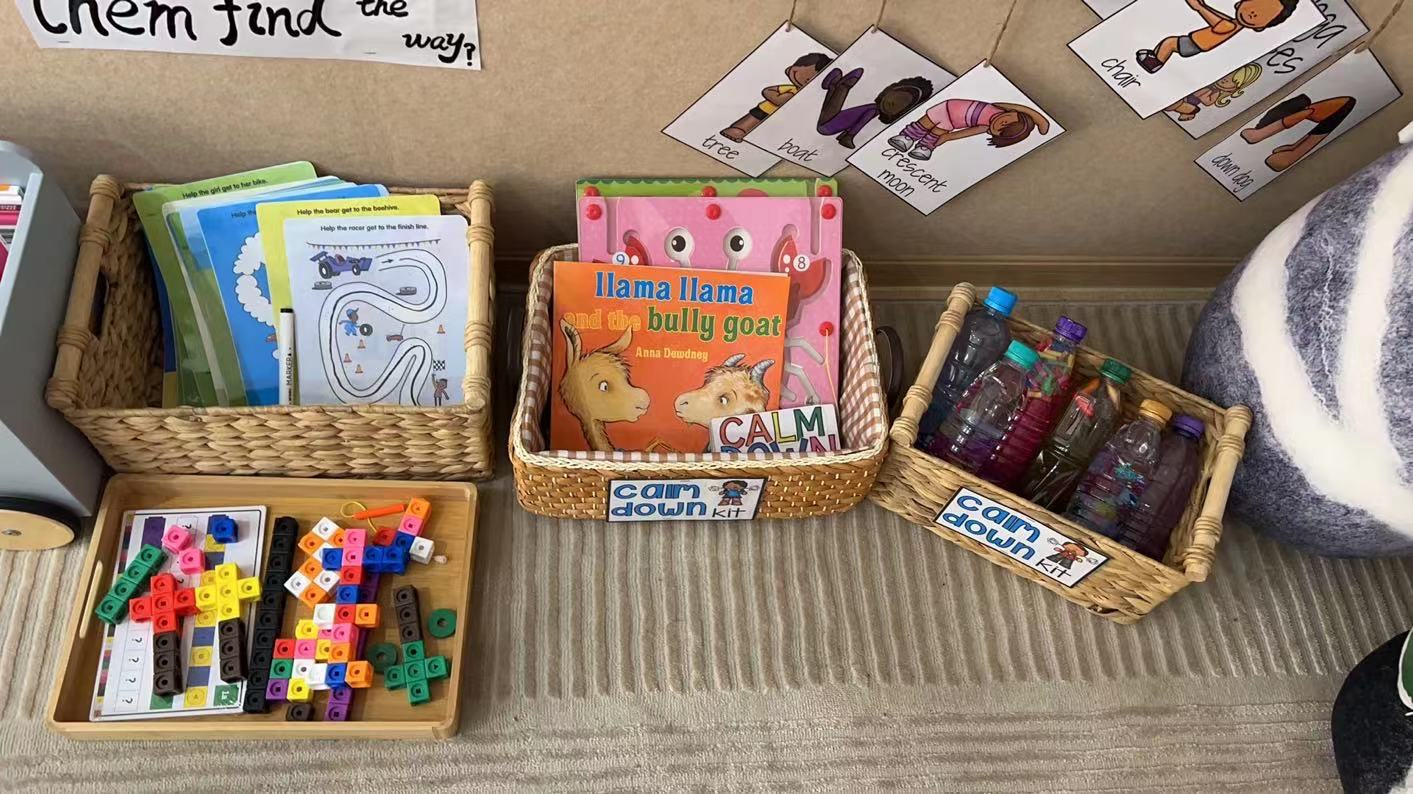
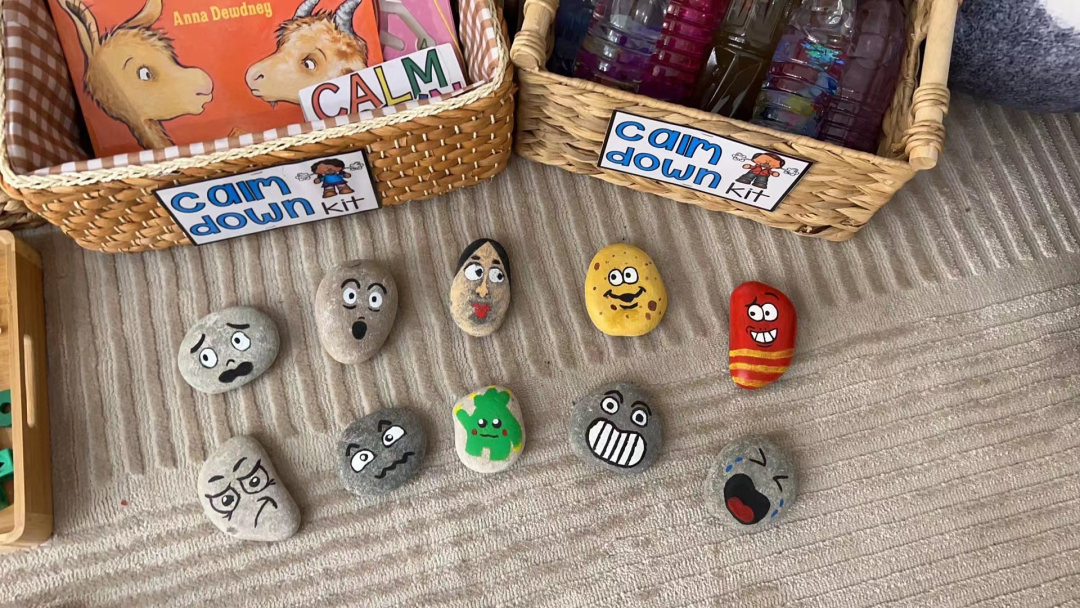
△ 解压工具箱 The Decompression Toolbox
从环境创设的角度来看,教师可以在班级中设置情绪发泄角或情绪暂停角,以及解压工具箱(例如挤压型海绵玩具,面具,音乐耳机,拼图,小喇叭等)。这可以为孩子们提供在特定的场景中学习合理的释放和管理自己的情绪的机会,并且找到自己所喜欢的、“文明的”发泄方式。此外,当儿童处于情绪激动或焦虑的情况中时,教师也可以采取深呼吸训练法,通过有意识的呼吸练习来让儿童的身体变得放松柔软,从而让孩子舒缓自己的紧张情绪。
在读完了如何从了解情绪到调节情绪这五个步骤后,你可能会发现文章中所提到的一些教学应用方法与你之前的活动设计非常贴近,比如说绘本阅读,制作情绪表等。事实上,培养幼儿的社交情感发展特并非是一件很困难的任务。在解读完RULER的五个步骤后,希望大家可以带着收获,将RULER的教学实践灵活运用到自己的教学课程中。这不仅会促进孩子们的社会情感的发展,我们自己的情感观和情感需求也可以得到很好的满足!
Swipe For English→
From the perspective of environmental creation, teachers can set up emotional station or emotional pause angles in the class, as well as the decompression toolbox (such as extrusion sponge toys, masks, music headphones, puzzles, small microphone, etc). This can help children learn to properly release and manage their emotions in specific situations, and find "civilized" and peaceful way they like. In addition, when children are in emotional or anxious situations, teachers can also take deep breathing training method, through conscious breathing practice to make children become relaxed, so that children can relieve their tension.
After reading the five steps from how to recognize to how to regulate emotions, you may find that some of the teaching methods mentioned in the article are very similar to your previous activity design, such as picture book reading, making emotional walls, etc. In fact, cultivating young children's social and emotional development is not a very difficult task. After interpreting the five steps of RULER, hope you can flexibly apply the teaching practice of RULER to your own teaching courses with the harvest. It will not only promote the development of children's social emotions, your own emotional needs can also be well satisfied!
←Swipe For Chinese
★
参考文献:
英文文献:
Brackett, M. A., Bailey, C. S., Hoffmann, J. D., & Simmons, D. N. (2019, June 17). RULER: A Theory-Driven, Systemic Approach to Social, Emotional, and Academic Learning. Educational Psychologist, 54(3), 144–161. https://doi.org/10.1080/00461520.2019.1614447
Cipriano, C., Barnes, T. N., Rivers, S. E., & Brackett, M. (2019, January 2). Exploring Changes in Student Engagement through the RULER Approach: An Examination of Students at Risk of Academic Failure. Journal of Education for Students Placed at Risk (JESPAR), 24(1), 1–19. https://doi.org/10.1080/10824669.2018.1524767
Mindes, G. (2015). Preschool Through Grade 3: Pushing Up the Social Studies From Early Childhood Education to the World. YC Young Children, 70(3), 10–15. http://www.jstor.org/stable/ycyoungchildren.70.3.10
McClelland, M. M., Tominey, S. L., Schmitt, S. A., & Duncan, R. (2017). SEL Interventions in Early Childhood. The Future of Children, 27(1), 33–47. http://www.jstor.org/stable/44219020
Rivers, S. E., & Brackett, M. A. (2010, December 22). Achieving Standards in the English Language Arts (and More) Using The RULER Approach to Social and Emotional Learning. Reading &Amp; Writing Quarterly, 27(1–2), 75–100. https://doi.org/10.1080/10573569.2011.532715
Tominey, S. L., O’Bryon, E. C., Rivers, S. E., & Shapses, S. (2017). Teaching Emotional Intelligence in Early Childhood. YC Young Children, 72(1), 6–14. https://www.jstor.org/stable/90001479
中文文献:
[1]张瑞瑞.美国学前社会情感学习项目的经验、挑战及启示[J].学前教育,2020(11):4-7.
[2]曹慧,毛亚庆.美国“RULER社会情感学习实践”的实施及其启示[J].比较教育研究,2016,38(12):73-79.
▲ 其他机构、私人不得擅自转载文中任何图片,
如文中肖像者本人或监护人对照片使用有疑问,
请留言联系我们,谢谢!
END
文章推荐
 :
 :hello@crowndream.cn


